
5 Ways to Motivate Your Child to Do Homework (Without Tears)
5 Ways to Motivate Your Child to Do Homework (Without Tears)
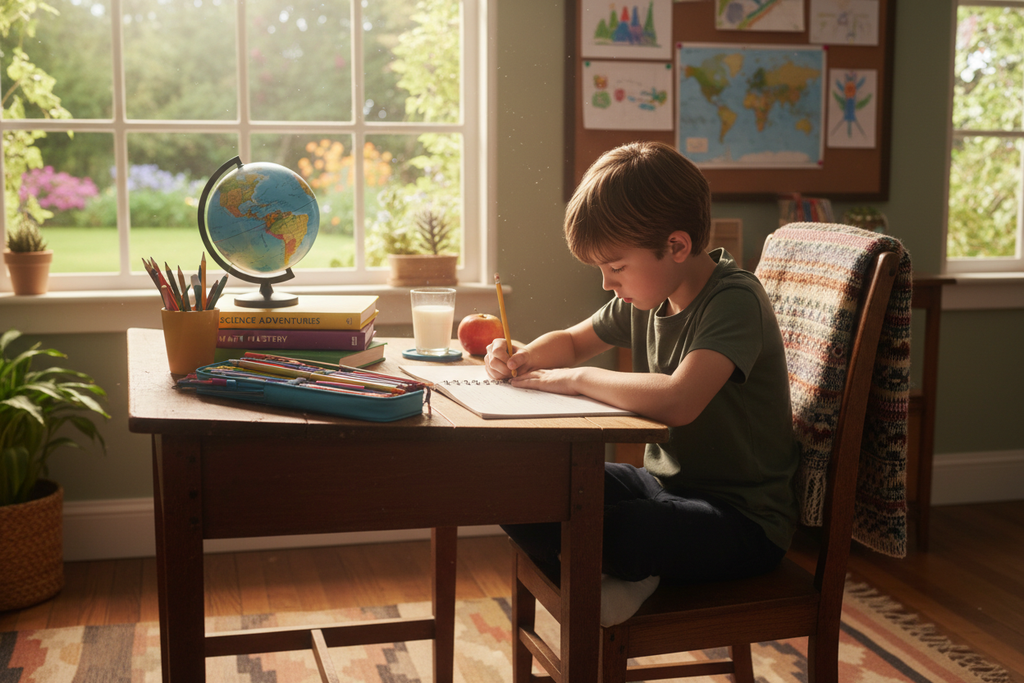
If homework time in your house feels more like a nightly battle than a calm routine, you’re not alone. For many Aussie mums and dads, homework can quickly turn into frustration, tears, and power struggles that leave everyone exhausted.
The good news? Homework doesn’t have to be a drama-filled event. With the right strategies, a little structure, and the clever use of visual trackers and small rewards, you can motivate your child to tackle homework with far less resistance and a lot more confidence.
Below are five realistic, parent-approved ways to motivate your child to do homework, without yelling, bribing, or losing your sanity.
1. Make Homework Expectations Clear and Visual
One of the biggest causes of homework resistance is uncertainty. Kids often feel overwhelmed because they don’t know what’s expected of them or how long it will take.
This is where visual trackers work wonders.
A simple visual homework tracker can:
- Show exactly what needs to be done
- Break tasks into manageable steps
- Help kids feel more in control
- Reduce arguments about “how much is left”
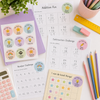
Try creating a simple chart that includes:
- Homework subject or task
- A tick box or sticker space when completed
- A clear end point so your child knows when they’re finished
When children can see their progress, homework feels achievable instead of endless.
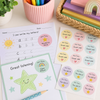
2. Use Reward Stickers to Reinforce Effort, Not Perfection
Motivation drops fast when kids feel like homework is only about getting everything right. Instead of focusing solely on results, reward the effort they put in.
Reward stickers are a powerful form of positive reinforcement, especially for younger kids.
They work because they:
- Provide instant feedback
- Make progress visible
- Encourage consistency over time
- Help children feel proud of their efforts
Some ways to use reward stickers for homework include:
- One sticker for starting homework without fuss
- One sticker for completing homework
- Bonus stickers for staying focused or trying a tricky task
The goal is to build positive habits, not pressure your child into perfect work.
3. Keep Homework Sessions Short and Predictable
Long, unstructured homework sessions are a recipe for meltdowns. Most children, especially in primary school, focus better in short bursts.
To reduce stress:
- Set a regular homework time each day
- Keep sessions age-appropriate in length
- Include short breaks if needed
When homework becomes part of a predictable routine, kids are less likely to resist it. They know it’s coming, they know it won’t last forever, and they know there’s a clear finish line.
Using a visual tracker alongside this routine helps reinforce the habit and gives kids a sense of achievement once tasks are completed.
4. Let Your Child Have Some Control
Children are far more motivated when they feel involved in the process.
Simple choices can make a big difference, such as:
- Choosing which homework task to do first
- Picking which reward sticker to use
- Deciding where to sit while working
Giving kids small choices doesn’t mean giving up control. It helps them feel respected and empowered, which often leads to better cooperation.
Visual reward systems work especially well here, because children love being able to choose and place their own stickers once a task is done.
5. Celebrate Progress with Small, Meaningful Rewards
Homework motivation improves when children feel their efforts are noticed and appreciated.
Small rewards don’t need to be expensive or over-the-top. Often, the reward sticker itself is enough.
You can also build in simple rewards for consistency, such as:
- Extra playtime after earning a set number of stickers
- Choosing a family activity for the weekend
- Picking a movie for movie night
The key is keeping rewards achievable and tied to effort rather than academic performance.
This approach helps children develop a positive relationship with learning instead of associating homework with stress or failure.
Why Visual Trackers and Reward Stickers Work So Well
Visual systems are especially effective for children because they turn abstract expectations into something concrete.
Reward charts and stickers:
- Create clear goals
- Reinforce positive behaviour
- Help children self-monitor progress
- Reduce power struggles between parents and kids
They’re also flexible and can be adapted as your child grows. What works for a prep student can be adjusted for older primary kids by changing goals and rewards.
Common Homework Mistakes to Avoid
Even with the best intentions, some approaches can backfire.
Try to avoid:
- Using punishment instead of encouragement
- Comparing your child to siblings or classmates
- Expecting long periods of focus without breaks
- Removing all rewards too quickly
Remember, motivation grows over time. Consistency and encouragement matter more than strict rules.
Building Long-Term Homework Habits
The ultimate goal isn’t just to get homework done tonight. It’s to help your child build habits they’ll carry through school.
By combining:
- Clear expectations
- Visual trackers
- Positive reinforcement
- Small, meaningful rewards
You’re teaching responsibility, self-motivation, and confidence, not just ticking off worksheets.
Make Homework Time Easier with Reward Stickers
If homework battles are wearing you down, a simple reward system can make a huge difference.
Sticksy Reward Stickers are designed for Australian families who want practical, positive tools to support learning and behaviour at home. They’re perfect for homework charts, behaviour trackers, and everyday encouragement.
Explore our Reward Stickers collection here: https://sticksy.com.au/collections/reward-stickers
With the right tools and a positive approach, homework time can become calmer, more predictable, and even something your child feels proud of. Small wins add up, and every sticker tells your child they’re on the right track.

)