Positive Parenting: Why "Good Job" Stickers Actually Work
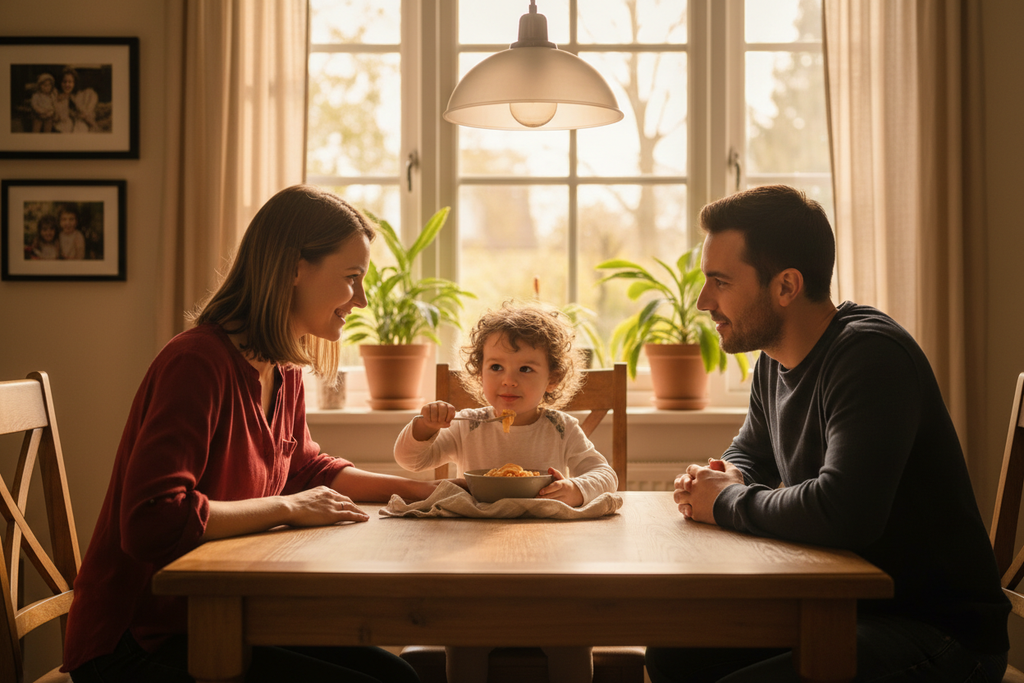
Positive Parenting: Why “Good Job” Stickers Actually Work
You know that moment when your child finally puts their shoes on without a full-blown negotiation summit, or they pack their bag without being asked seventeen times? You feel it in your soul: this deserves a medal. But in real life, the medal is usually a tiny circle sticker that says “Good Job!” and somehow… it works.
Some parents worry stickers are “bribery” or that kids will only behave for rewards. But when you use micro-rewards the right way, you’re not buying behaviour. You’re building it. A small sticker can be the spark that helps a child practise a skill until it becomes a habit. And habits? They’re the real prize.
What is a micro-reward (and why is it so powerful)?
A micro-reward is a small, immediate payoff that follows a positive behaviour. It’s not a big, expensive prize. It’s something quick and satisfying that tells the brain: “Yes, that’s the thing we want to do again.”
In psychology, this is closely linked to reinforcement. When a behaviour is followed by something positive (even something small), the behaviour is more likely to happen again. For kids, that “something positive” can be:
- Recognition (you noticed!)
- Closure (task done, sticker earned, box ticked)
- Momentum (progress they can see)
- Positive emotion (pride, excitement, connection)
Stickers are brilliant micro-rewards because they’re immediate, visual, and genuinely satisfying for kids. They also create a tiny moment of success, which builds confidence over time.
Why “Good Job” stickers work so well for kids
Kids’ brains are still learning self-control, emotional regulation, and long-term thinking. That means “the reward later” (like doing well at school one day) can feel too far away to motivate them now. Stickers bring the benefit into the present, which is exactly where kids live.
Here’s what’s happening under the hood:
- Immediate feedback: The sticker instantly signals “That was the right choice.”
- Positive association: The child links the behaviour with a good feeling.
- Habit formation: Repetition plus reward helps behaviours stick (pun fully intended).
- Motivation boost: A small win makes the next win feel more achievable.
- Visual progress: A growing sticker chart turns effort into something they can see.
And for mums (and dads, grandparents, carers), stickers do something important too: they make it easier to notice and reinforce good behaviour, especially on chaotic days when everyone’s running on two hours of sleep and a snack wrapper.
Micro-rewards aren’t bribery (here’s the difference)
This is the big one. A bribe is offered before a behaviour to get a child to comply: “If you stop yelling, I’ll give you a treat.” A micro-reward is given after a positive behaviour to reinforce it: “You calmed your body, that was great effort. Sticker time.”
Try using this simple rule:
- Bribe: promised in advance during conflict
- Micro-reward: given after the behaviour as recognition
Micro-rewards work best when they’re calm, consistent, and connected to effort or a skill your child is practising.
The secret sauce: praise the process, not just the result
“Good job” is nice, but you’ll get even better results when you name what they did well. This helps kids understand why they earned the sticker and teaches them to repeat the behaviour.
Examples that hit harder than a plain “Good job!”:
- “You kept trying even when it was tricky.”
- “You used kind words with your brother. That’s respectful.”
- “You packed up your toys without being asked. That’s responsible.”
- “You took a deep breath when you felt cranky. That’s great self-control.”
Then add the sticker. The sticker becomes a little symbol of that skill: persistence, kindness, independence, emotional regulation. Over time, kids start to feel proud of the identity behind the behaviour: “I’m someone who can do hard things.”
How to use “Good Job” stickers to improve behaviour (without creating reward dependence)
The goal isn’t for your child to need stickers forever. The goal is to use stickers as training wheels until the behaviour becomes easier and more automatic. Here’s how to do it in a positive parenting way.
- Start small and specific: Choose 1–2 behaviours to focus on (not a whole personality makeover).
- Make it achievable: If the target is too hard, no one wins. Set them up for success.
- Reward effort early: In the beginning, reward “trying” so they build momentum.
- Keep rewards immediate: Stickers work best right after the behaviour, not later.
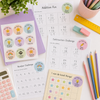
- Use a simple chart or log: Visual progress is motivating for kids (and sanity-saving for parents).
- Pair stickers with connection: A smile, high five, or quick cuddle makes it even more powerful.
- Fade gradually: Once the behaviour is consistent, move from every time to occasionally.
That last point is key. If you keep rewarding the exact same behaviour forever, it can lose its spark. But if you slowly reduce the frequency, the behaviour often stays because it’s become a habit and the child has learned the skill.
When stickers work best (and what to focus on)
“Good job” stickers are especially helpful for behaviours that require repetition and practice. Think of them as mini cheerleaders for everyday life skills:
- Morning routine: getting dressed, brushing teeth, packing school bag
- After-school habits: homework start time, reading, putting lunchbox away
- Behaviour goals: gentle hands, kind words, listening the first time
- Emotional skills: taking deep breaths, using coping strategies, calm-down routines
- Independence: tidying toys, setting the table, helping with age-appropriate chores
This is why reward charts are so popular with Aussie families searching for practical tools like reward charts Australia and “positive parenting strategies”. Stickers turn “nagging” into “tracking”, and that feels better for everyone.
But what about intrinsic motivation?
Great question, because we do want kids to do the right thing even when nobody’s watching. The trick is to use stickers as a bridge, not a crutch.
Here’s how to protect intrinsic motivation while still using rewards:
- Keep it short-term: Use stickers for a few weeks to build a new habit, then fade out.
- Focus on effort and growth: Praise the skill, not just the sticker outcome.
- Offer choice: Let them choose the sticker or where it goes on the chart.
- Celebrate progress: “Look how far you’ve come” builds pride, not dependence.
When kids feel capable, they often keep going because the behaviour starts to feel easier, and success feels good. Stickers are just the spark that gets the engine turning.
Simple “Good Job” sticker chart ideas you can start today
If you want quick wins, here are easy setups that work well for different ages:
- Toddlers: 1 sticker for 1 target behaviour (gentle hands, teeth brushing, toilet routine).
- Preschool: 3 targets (morning routine, kind words, tidy up) with a small weekly goal.
- Primary school: reading log + homework start + helpful chore, tracked across the week.
- Big feelings chart: sticker for using a calm-down tool (breathing, quiet corner, asking for help).
Keep it simple and achievable. The best chart is the one you’ll actually use consistently, even when life is busy.
Ready to make positive behaviour easier (and more fun)?
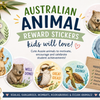
If you’re trying to encourage helpful habits, calmer routines, and better behaviour without constant reminders, “Good Job” stickers are one of the easiest positive parenting tools you can use. They create small wins, build confidence, and help kids practise the skills that eventually become everyday habits.
Grab your “Good Job” and reward stickers here: https://sticksy.com.au/collections/reward-stickers
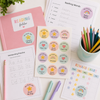
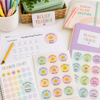
Pop them on a chart, a reading log, a routine checklist, or a school diary and watch how quickly those tiny micro-rewards turn into big changes. When kids can see their progress, they’re far more likely to keep going, and you get a home that feels a bit more calm and a lot more “we’ve got this”.
Meta SEO data
- Meta title (SEO title): Positive Parenting: Why “Good Job” Stickers Work | Sticksy Australia
- Meta description: Discover the psychology behind micro-rewards and why “Good Job” stickers encourage positive behaviour. Easy Aussie tips for mums plus reward stickers.
- URL handle (suggested): positive-parenting-good-job-stickers-work
- Focus keyword: good job stickers Australia
- Secondary keywords: positive parenting Australia; micro-rewards psychology; reward charts Australia; behaviour chart stickers; kids reward stickers; encourage good behaviour
- Tags (Shopify blog tags): Positive Parenting, Reward Charts, Behaviour, Kids Routines, Parenting Tips, Stickers, Learning at Home