Raising a Reader: How to Encourage a Love of Books
Raising a Reader: How to Encourage a Love of Books
If you’ve ever watched your child fall head-first into a story, you’ll know it’s like witnessing a tiny brain light up like a Christmas tree. One minute they’re “not interested”, the next they’re insisting on just one more chapter (and suddenly it’s 9:47pm and you’re negotiating bedtime like it’s a peace treaty).
The good news? A love of books isn’t something you either “have” or “don’t have”. It’s something you can grow with the right mix of routine, choice, encouragement, and a little bit of sticker-powered motivation. Whether you’ve got a toddler who loves turning pages, a prep kid learning letter sounds, or a primary schooler who’d rather do literally anything else, this guide will help you make reading feel fun, achievable, and part of everyday life.
Why reading matters (and why it doesn’t have to feel like homework)
Reading builds vocabulary, comprehension, empathy, and confidence, but kids don’t fall in love with books because someone lectures them about literacy outcomes. They fall in love with reading when it feels:
- Enjoyable (stories that actually interest them)
- Safe (no pressure, no shame, no “you’re behind” vibes)
- Normal (something that happens in your home regularly)
- Rewarding (they can see their progress and feel proud)
Think of reading as a habit you’re building, not a performance you’re measuring. The goal isn’t perfection. The goal is to help your child connect books with comfort, curiosity, and confidence.
Start with the golden rule: let them choose
If you want to turn a reluctant reader into a willing reader, choice is your secret weapon. Kids are more likely to read when they feel ownership over what they’re reading, even if their favourite books are full of toilet jokes, talking animals, or comics you don’t quite “get”.
- Offer a mix of formats: picture books, graphic novels, magazines, short chapter books, audiobooks.
- Let them pick topics they’re obsessed with (dinosaurs, sport, animals, space, Minecraft, fairies, trucks).
- Use the “two yes” method: you approve two options, they choose one.
- Don’t stress about reading level at first. Interest comes before improvement.
If they’re choosing books they actually like, you’re already halfway there.
Make books part of your everyday environment
Kids read more when books are easy to access and feel like part of normal life. You don’t need a Pinterest-perfect reading nook. You just need books within reach.
- Keep a small basket of books in the lounge room and bedrooms.
- Rotate books every couple of weeks to keep it fresh.
- Leave a book in the car for “waiting time” (sport training, appointments, school pick-up).
- Visit the library regularly and make it a fun routine (even once a fortnight helps).
The library is a big win for Aussie families because it removes the pressure of “getting it right”. If they don’t like a book, they can return it and try again. No guilt, no wasted money.
Read aloud, even when they can read themselves
Reading aloud is not just for little kids. It’s one of the best ways to build comprehension, language, and a positive relationship with books. It also creates a warm, connected moment in your day, especially if your child is busy or easily distracted.
- Choose something slightly above their reading level so they can enjoy richer stories.
- Use funny voices, pause for suspense, or act out bits if your child loves that.
- Ask simple questions: “What do you think will happen next?” “How would you feel?”
- Keep it short if needed. Ten minutes counts.
If your child struggles with reading, being read to lets them enjoy books without the frustration of decoding every word.
Use a reading routine that feels doable
Consistency beats intensity every time. A routine doesn’t need to be long or fancy. It just needs to be regular enough that reading becomes a habit.
- Link reading to an existing routine: after dinner, before bed, after school snack.
- Start small: 5 minutes a day for reluctant readers.
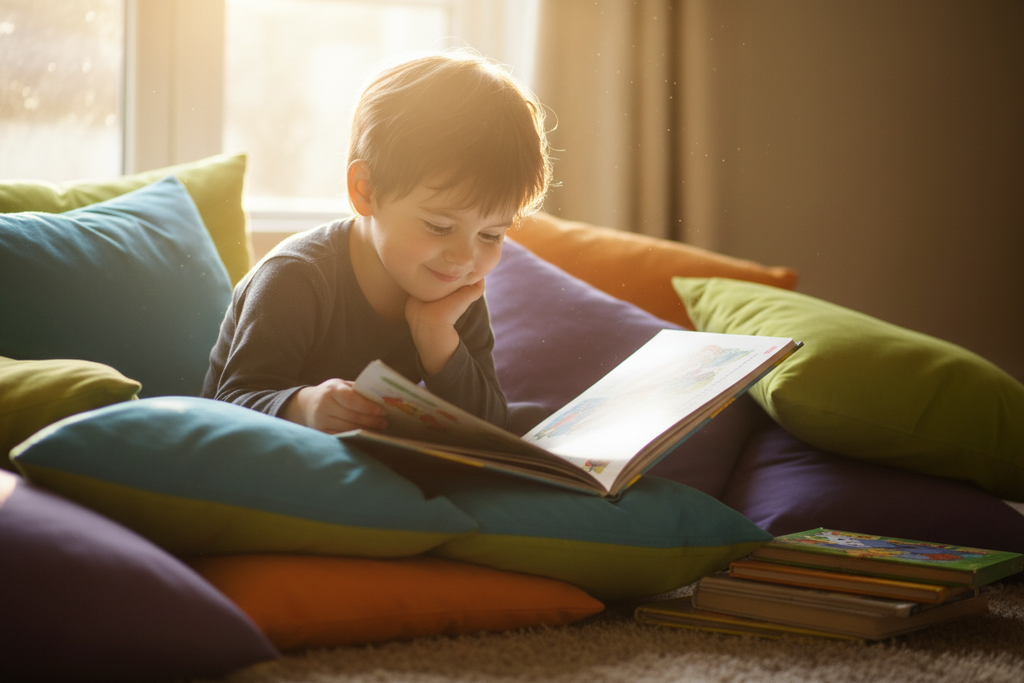
- Set a cosy vibe: couch, blanket, warm light, hot choc for winter nights.
- Keep books nearby so “getting started” is easy.
And yes, some nights will be a flop. That’s normal. You’re building a long-term love of reading, not a perfect streak.
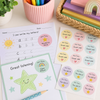
Make progress visible with a reading log and stickers
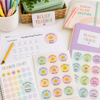
This is where the magic really kicks in for a lot of kids. A reading log turns reading from an invisible effort into something they can see, track, and feel proud of. Add stickers, and suddenly reading becomes a little daily win.
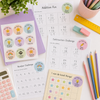
A simple reading log can include:
- The book title (or just “Read with Mum” for little ones)
- Minutes read (or “one story”)
- Pages read (optional)
- A sticker space for each day they read
Sticker tips that actually work:
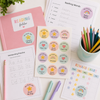
- Use one sticker per reading session to keep it simple and consistent.
- Celebrate effort, not skill. The sticker is for showing up.
- Let your child choose where the log lives (fridge, bedroom door, homework desk).
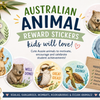
- Pick literacy-themed stickers to keep it on-topic and make it feel special.
This approach is especially effective for families searching for reward charts Australia or kids who respond well to visual encouragement. It supports positive behaviour around reading without turning it into a battle.
Try these fun “no-pressure” ways to make reading exciting
If your child thinks reading is boring, you don’t need to force it. You need to rebrand it. Here are some ideas that feel like play (but quietly build literacy skills in the background):
- Book picnic: Lay out snacks and a blanket, then read outside.
- Reading torch time: Use a small torch for a “secret” bedtime story.
- Character day: Dress up as a character and read that book together.
- Read to a pet (or teddy): Low-pressure “audience” builds confidence.
- Comic book corner: Graphic novels count and are brilliant for reluctant readers.
- Sticker challenge: “Read 4 days this week and fill your log with stickers.”
Reading doesn’t have to look like sitting still in silence. If your child is wiggly, let them read while standing, rocking, or lying on the floor. The goal is engagement, not posture.
Support reluctant or struggling readers with kindness (and smart strategies)
If your child avoids reading, it’s often because it feels hard, not because they’re lazy. A supportive approach can make a huge difference. Try:
- Read together: You read a page, they read a page.
- Echo reading: You read a sentence, they repeat it.
- Audiobooks + book: Follow along while listening for confidence and fluency.
- Short books: Quick wins build momentum and motivation.
- Praise effort: “You kept going when it got tricky” is powerful.
And if you’re worried about their progress, chatting with their teacher can help you understand what support might be useful. The best thing you can do at home is keep reading positive and encouraging.
Celebrate reading in ways that build pride
Rewards don’t need to be huge. The real reward is confidence, but a little celebration helps kids feel seen.
- Put finished books on a “Done!” pile and admire it together.
- Let them tell you about the best part of the story (even if it’s wildly inaccurate).
- Use a simple “book review” chat: favourite character, funniest moment, best bit.
- Add a special sticker for milestones (first chapter book, 7-day streak, library visit).
Stickers are brilliant because they’re immediate, visual, and satisfying. They also help kids connect reading with positive feelings, which is exactly what you want for long-term literacy habits.
Ready to make reading feel fun again?
If you want an easy way to encourage reading without nagging, a reading log with stickers is one of the simplest (and most effective) routines you can start this week. Kids love seeing their progress, and mums love having a calm, visual system that keeps motivation ticking along.
Shop Sticksy’s Literacy Stickers here: https://sticksy.com.au/collections/reward-stickers
They’re perfect for reading logs, reward charts, classroom encouragement, and building those feel-good “I did it!” moments that turn reading into a habit your child actually wants to keep. 💛📚