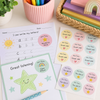
How Teachers Can Use Stickers to Boost Reading & Literacy

Stickers may seem small, but they are one of the most powerful, affordable and effective tools teachers can use to improve reading and literacy skills. When used correctly, stickers unlock motivation, confidence and engagement in early learners which makes reading fun, rewarding and consistent.
In this guide, you will learn how to use stickers in the classroom to support reading, how to build sticker based literacy systems and the psychology behind why they work so well.
⭐ Why Stickers Work for Reading and Literacy
Stickers trigger positive reinforcement which is a proven behavioural tool that encourages students to repeat positive actions.
Here is why they are especially effective for reading.
✔ Stickers create instant motivation
Children love collecting, displaying and earning stickers. This turns reading into something exciting and rewarding.
✔ They build confidence in reluctant readers
A child who struggles with reading needs more emotional reinforcement. Stickers offer quick wins that build self belief.
✔ They provide visible progress
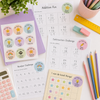
Sticker charts give students a clear picture of their reading achievements.
✔ They work for all ages
Prep students enjoy cute characters. Older students enjoy achievement badges or themed icons.
✔ They make the literacy environment more engaging
Bright visuals and cute reward stickers can make literacy activities look more inviting.
📖 How Teachers Can Use Stickers to Support Reading
Here are practical and classroom tested ways teachers use stickers to increase reading motivation and progress.
1. Use Stickers for Sight Word Recognition
Sight words are the foundation of early literacy and stickers can make learning them fun.
How it works
-
Create a sight word checklist or chart
-
When a student masters a word, they earn a sticker
-
Use fun themes such as alphabet characters or colourful stars
Benefits
-
Reinforces repetition
-
Makes progress visible
-
Helps with confidence and fluency
This is especially helpful for Prep and Year 1 students.
2. Reward Reading Fluency Goals
Teachers can use stickers to acknowledge
-
Smooth reading
-
Correct pronunciation
-
Improved pacing
-
Expressive reading
-
Attempting difficult words
Example
Every time a student demonstrates improved fluency, they receive
Fantastic Reading
Super Reader
Amazing Literacy
These small boosts encourage effort rather than perfection.
3. Create a Reading Sticker Chart System
Sticker charts are one of the best long term reading motivators.
How to set it up
-
Give each child a weekly or monthly chart
-
Students add a sticker each time they complete a reading session, book or chapter
-
Include milestone rewards such as certificates or bookmarks
Why it works
Students clearly see their progress and this builds consistent reading habits.
4. Use Stickers in Guided Reading Groups
Guided reading sessions often involve small groups. Stickers can be used to
-
Reward participation
-
Acknowledge effort
-
Celebrate reading aloud
-
Grow group confidence
This makes group reading enjoyable and reduces performance anxiety.
5. Celebrate Reading Achievements
Teachers can create mini reading celebrations with stickers that say
I Read My First Book
I Can Read Level One Words
Chapter Book Champ
Reading Superstar
These types of acknowledgements build classroom culture and help parents understand their child’s progress.
6. Mark Literacy Workbooks With Positive Stickers
Children love receiving stickers in their reading journals, worksheets and comprehension activities.
Use different sticker types for
-
Correct answers
-
Excellent effort
-
Neat writing
-
Full sentence responses
-
Improved spelling
-
Retelling stories
This improves classroom morale and encourages students to do their best work.
7. Use Themed Stickers to Support Phonics
Phonics learning can be strengthened with themed stickers such as
-
Alphabet letter characters
-
Beginning sound icons
-
Vowel team stickers
-
Consonant blend badges
These help build phonics associations in a visual and engaging way.
8. Encourage Independent Reading Time
Many teachers use stickers to promote silent reading or DEAR sessions which stands for Drop Everything And Read.
Example system
-
One sticker equals ten minutes of focused reading
-
Ten stickers equals a reading certificate
-
Special stickers equal challenge badges
This keeps reading time purposeful and enjoyable.
9. Use Stickers to Support Comprehension Skills
Reward stickers for
-
Answering comprehension questions
-
Making predictions
-
Retelling a story
-
Identifying characters
-
Summarising a chapter
This strengthens deeper literacy skills rather than just reading accuracy.
10. Create Reading Challenges
Teachers can set up classroom challenges that include
-
Reading five books in a month
-
Reading one hundred minutes in a week
-
Trying a new author
-
Reading one book from each genre
Every goal achieved earns a sticker which makes the challenge fun and goal driven.
🎨 Best Types of Stickers for Reading and Literacy
The best stickers for literacy include
✔ Alphabet character stickers
These help reinforce letters and sounds.
✔ Reading achievement stickers
Fantastic Reading
Super Reader
Amazing Literacy
✔ Kawaii and cute themed stickers
These make reading feel friendly and fun.
✔ Personalised teacher name stickers
These add a warm and personal touch such as Miss Gabbie Says.
✔ Soft pastel reward stickers
Calm designs support a positive learning environment.
🧑🏫 Tips for Teachers Using Stickers in Literacy
1. Focus on effort not perfection
Praise effort to encourage growth.
2. Keep rewards consistent
Using the same system builds routine.
3. Pair stickers with specific praise
For example
Great job sounding out that tricky word
Excellent expression when reading
4. Make charts visible
Display reading charts where students can see their progress.
5. Involve parents
Send home mini charts for extra reinforcement.
💬 Frequently Asked Questions
Do stickers really improve reading motivation
Yes. Visual rewards boost dopamine which helps children associate reading with positive feelings.
What ages benefit the most from sticker rewards
Sticker based literacy support works best for Prep through Year Three and can also be used with older students when using age appropriate designs.
Do stickers replace other literacy activities
No. Stickers enhance and support literacy routines rather than replace them.
How many stickers should students earn
Two to five stickers per reading session is ideal depending on your system.
🛒 Final Thought
Stickers help transform reading into something children want to do. Whether it is alphabet characters, motivational badges or kawaii designs, stickers help build confidence, consistency and meaningful progress in literacy.
For classroom ready reward stickers, explore
Personalised Reward Stickers: https://sticksy.com.au/collections/personalised-reward-stickers
Teacher Reward Stickers: https://sticksy.com.au/collections/personalised-teacher-reward-stickers
-
Posted in
ClassroomBehaviour, ClassroomIdeas, ClassroomMotivation, ClassroomStickers, EarlyLiteracy, GuidedReading, KidsLearning, LiteracyForKids, LiteracyStickers, PersonalisedRewardStickers, PersonalisedTeacherStickers, PhonicsPractice, PositiveReinforcement, PrepClassroom, PrimaryTeaching, ReadingActivities, ReadingMotivation, ReadingStickers, ReadingStrategies, RewardCharts, SchoolStickers, SightWords, SticksyAustralia, TeacherInspiration, TeacherResources, TeacherRewardStickers, YearOneClassroom